

Europe’s heatwaves are exposing a new dimension of energy risk.
When temperatures rise, electricity demand increases. But available electricity supply can fall at exactly the same time.
That combination is becoming increasingly relevant for companies.
In France, extreme heat is expected to reduce nuclear production by around 15% of the country’s nuclear, with up to 9.4 GW curtailed across nine reactors as high river temperatures constrain cooling operations. French day-ahead electricity prices subsequently reached €154.50/MWh.
In Romania, record-low water levels in the Danube forced both 706 MW reactors at Cernavodă offline. Together, they normally provide around 20% of the country’s electricity. The government declared an energy emergency and called for voluntary reductions in electricity consumption.
Hungary has faced similar constraints at its Paks nuclear plant, while low river levels have also affected hydropower generation and transport across Europe.
This creates what could be described as a heatwave energy squeeze:
- Higher temperatures → higher cooling demand
- Heat and drought → lower availability of some generation assets
- Tighter supply-demand balanceT → greater price and system pressure
The IEA already identifies this combination as a growing reliability challenge. Extreme heat can drive electricity demand sharply higher through cooling while drought, power plant outages or other supply-side constraints simultaneously reduce system availability.
The European Environment Agency goes further: it identifies energy disruption caused by heat and drought affecting electricity supply and demand as the most urgent climate-related energy risk to address in Europe, with Southern Europe particularly exposed.
What does this mean for companies?
Energy risk can no longer be assessed only through annual consumption and €/MWh.
Companies increasingly need to consider:
- exposure to peak electricity prices;
- physical climate risk affecting the power system;
- dependence on grid availability;
- cooling and refrigeration demand during extreme temperatures;
- and their ability to shift, reduce or locally supply consumption.
This increases the strategic value of energy efficiency, self-consumption, storage, demand response and active energy management.
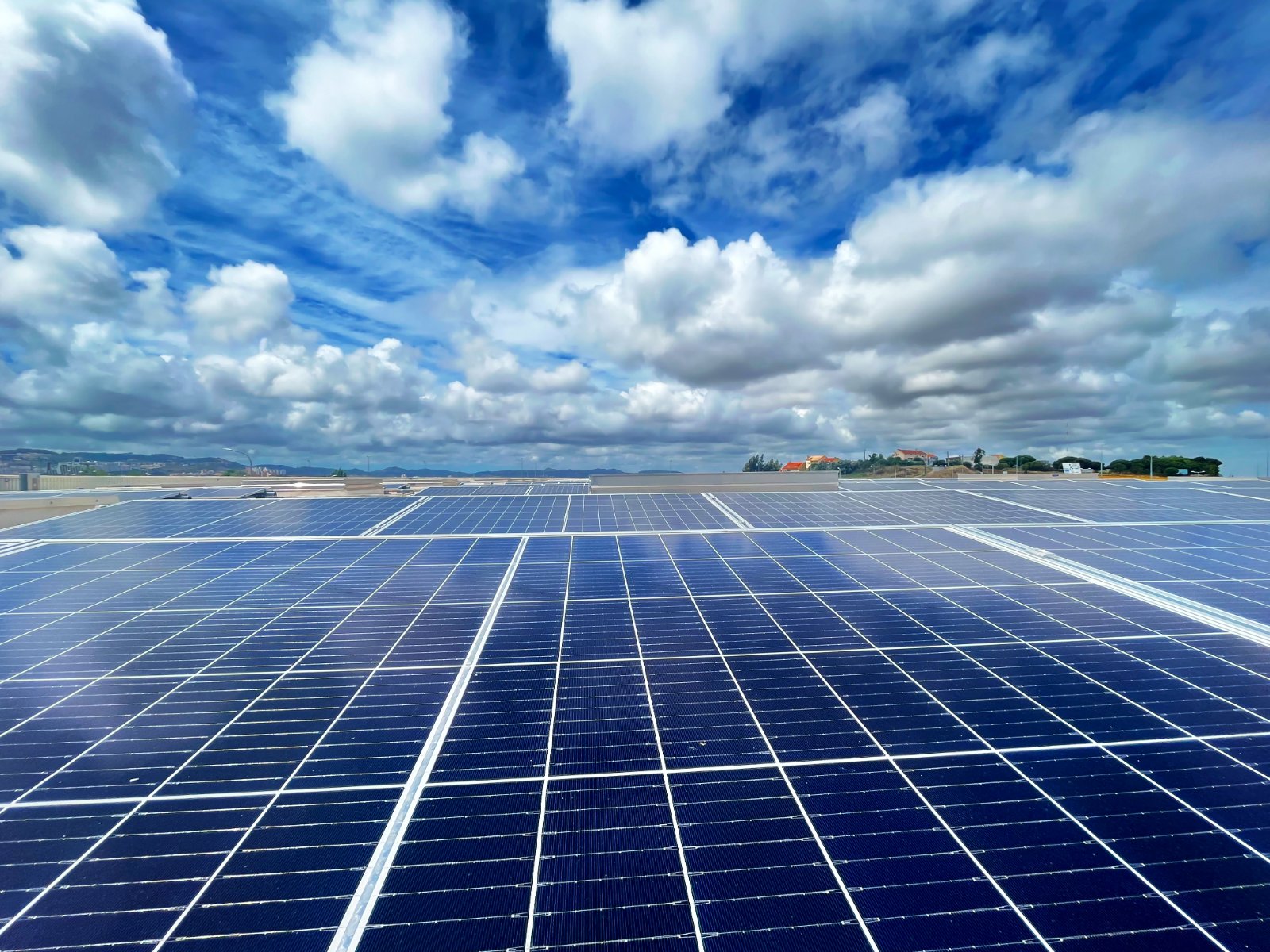
Solar generation can reduce grid dependence during high-demand daylight periods. Efficiency limits the additional load created by cooling. Storage and demand response provide flexibility when the system becomes constrained. Energy management connects these assets and enables companies to react to changing conditions.
The strategic shift is becoming clearer:
Climate risk is becoming energy risk.And energy risk is becoming business risk.
Energy resilience should therefore no longer be viewed simply as an environmental objective.
It is increasingly part of operational resilience and competitiveness.