
Tourism is one of the main drivers of the European economy and a sector in which energy plays a decisive role. In 2024, Europe surpassed three billion overnight stays in tourist accommodation for the first time. The sector accounts for around 10% of the European Union’s GDP, supports more than 24 million jobs and generates approximately €1.75 trillion annually.
These figures reflect not only the economic scale of tourism, but also the importance of safeguarding its competitiveness and adaptability in a context shaped by volatile energy costs, new environmental requirements and rising customer expectations.
In hotels, resorts and other tourism facilities, energy is directly linked to the quality of the guest experience. Heating and cooling, hot-water production, kitchens, laundries, swimming pools, spas, lighting and electric-vehicle charging are all essential components of operations and require substantial, continuous energy consumption.
For this reason, the energy transition in tourism cannot be viewed merely as an exercise in reducing consumption. The real challenge is to use energy more efficiently, intelligently and sustainably while maintaining—or even improving—comfort, service quality and the overall customer experience.
It is precisely within this balance that one of the sector’s greatest opportunities lies.
Combining energy efficiency, local renewable-energy generation, storage and intelligent energy management can reduce costs, increase energy autonomy and protect operations from market volatility. At the same time, it helps modernise assets, improve their performance and strengthen their long-term value.
This approach is particularly relevant in a sector composed largely of small and medium-sized enterprises and characterised by a highly diverse building stock, much of which has already been in operation for many years. Each property has its own specific characteristics, meaning that the transition must be planned gradually and adapted to the concrete needs of the business.
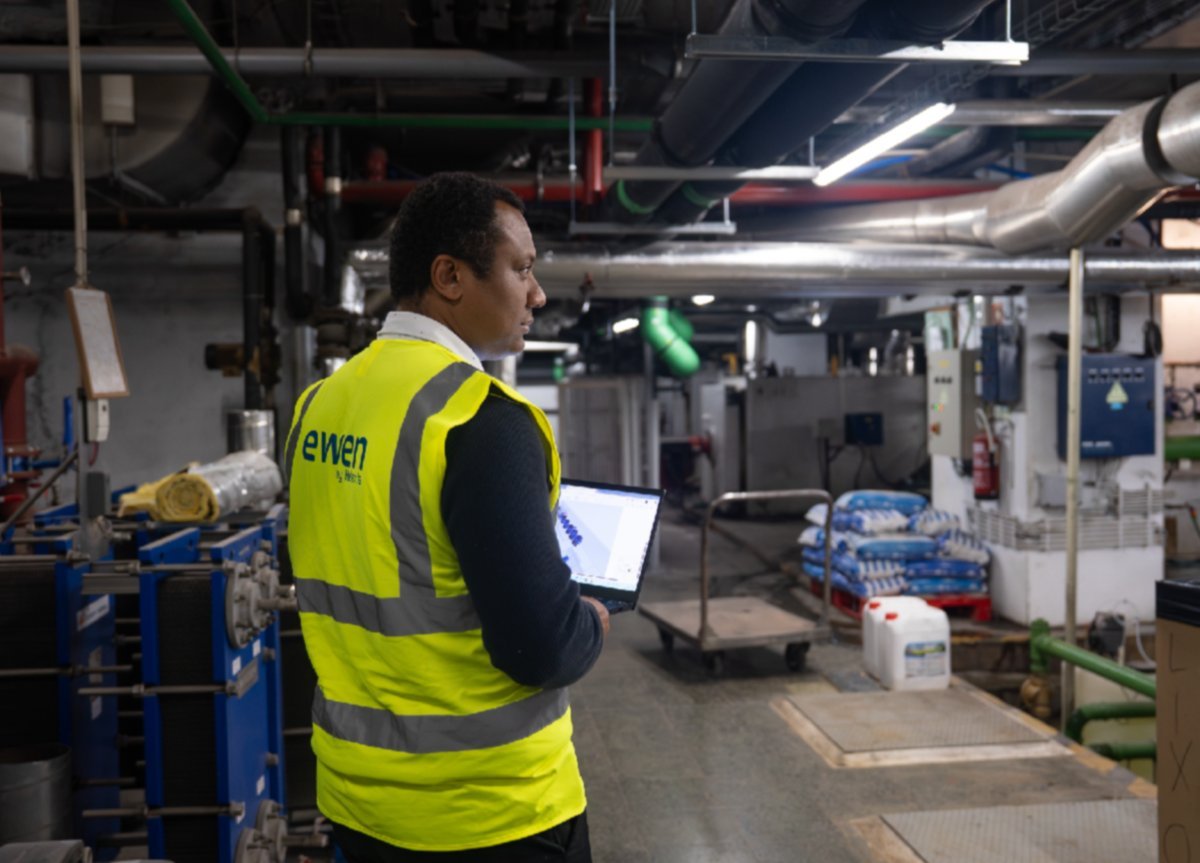
The first step should be to understand how, when and where energy is consumed. Monitoring and active energy management make it possible to identify inefficiencies, anticipate deviations and support more informed investment decisions. From this foundation, different solutions can be combined, ranging from the modernisation of equipment and HVAC systems to the installation of solar energy, storage and electric-vehicle charging infrastructure.
The efficient management of other resources, particularly water, should also form part of this transformation. In a context where heatwaves, water scarcity and other climate risks are increasingly affecting tourist destinations, the efficiency and resilience of assets are becoming essential to ensuring operational continuity and service quality.
Beyond operational benefits, companies in the sector are also increasingly expected to measure and demonstrate their environmental performance. Customers, tour operators, investors and business partners value concrete information on consumption, emissions and achieved results. The ability to turn energy data into clear indicators will therefore become increasingly important in differentiating and enhancing the value of tourism assets.
Financing naturally remains a central consideration. Not all operators have the capital available to implement large-scale energy projects without compromising other business priorities. However, models that combine financing, implementation, operation and performance commitments are helping to accelerate investment and turn energy costs into tangible opportunities for value creation.
The energy transition can therefore become a new source of competitive advantage for European tourism. It is not simply about consuming less energy, but about managing resources more effectively, reducing exposure to risk, modernising assets and creating more efficient and resilient operations.
In tourism, energy, comfort and experience are deeply interconnected. Companies that manage this relationship in an integrated way will be better positioned to reduce costs, respond to new market demands and continue delivering high-quality experiences to their customers.