
Primus Ceramics is taking a new step in its energy strategy through the implementation of energy storage and intelligent energy management solutions developed in partnership with Helexia. In a highly energy-intensive industry, these solutions will help optimise consumption, increase operational flexibility and reduce exposure to energy price volatility — all critical factors for industrial competitiveness.
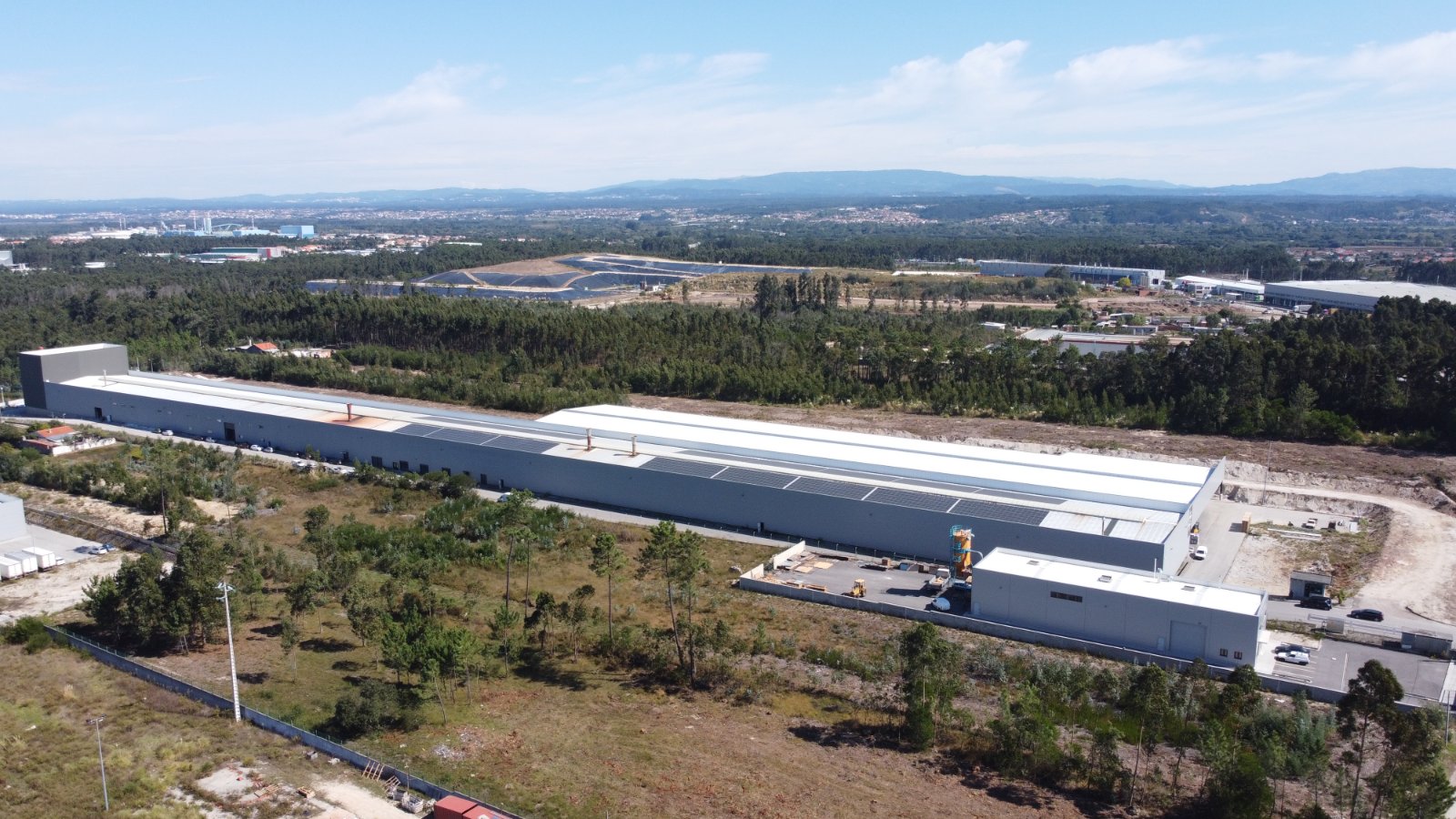
The partnership between Helexia and Primus Ceramics began in 2019 with the installation of a 521 kWp solar photovoltaic plant, enabling the company to generate renewable energy on site and reduce its dependence on the electricity grid. This project laid the foundations for a broader energy strategy, now focused on the active management and optimisation of energy resources.
“Industrial competitiveness increasingly depends on the ability to manage energy efficiently and flexibly. Battery storage not only enables companies to optimise their energy consumption, but also creates new value opportunities through participation in energy markets,” says Luís Pinho, Country Director of Helexia Portugal.
The new phase of the partnership is based on the integration of battery energy storage solutions, providing Primus Ceramics with greater flexibility across its energy system. In addition to optimising internal consumption and reducing peak power demand, these solutions create opportunities to participate in energy market mechanisms, including energy arbitrage and the provision of ancillary services to the electricity grid, contributing to a better balance between energy generation and consumption.
At the same time, the batteries will help maximise the use of renewable energy generated on site, increasing self-consumption and further reducing dependence on the electricity grid.
An energy management system is also being implemented at the company’s Aradas and Taboeira facilities. The system will provide real-time monitoring of electricity, water and compressed-air consumption, allowing Primus Ceramics to identify inefficiencies and optimise its production processes. By combining storage with intelligent energy management, the company will be able to translate data and flexibility into concrete operational decisions.
“In a sector such as ours, which is highly exposed to international markets, energy is a critical competitiveness factor. These solutions will allow us to reduce costs, gain greater control over our operations and explore new approaches to energy optimisation,” says Paulo Almeida, an executive at Primus Ceramics.
Against a backdrop of sustained pressure on energy costs and growing international competition, the Portuguese ceramics industry is accelerating the adoption of solutions that provide greater control over energy consumption and costs. With more than 1,260 companies and approximately €1.5 billion in annual turnover, the sector faces the challenge of remaining competitive in an increasingly demanding global market.
This project positions Primus Ceramics as an example of the industry’s transition towards more advanced energy models, in which generation, storage and intelligent management work together to improve efficiency, strengthen flexibility and create value.