
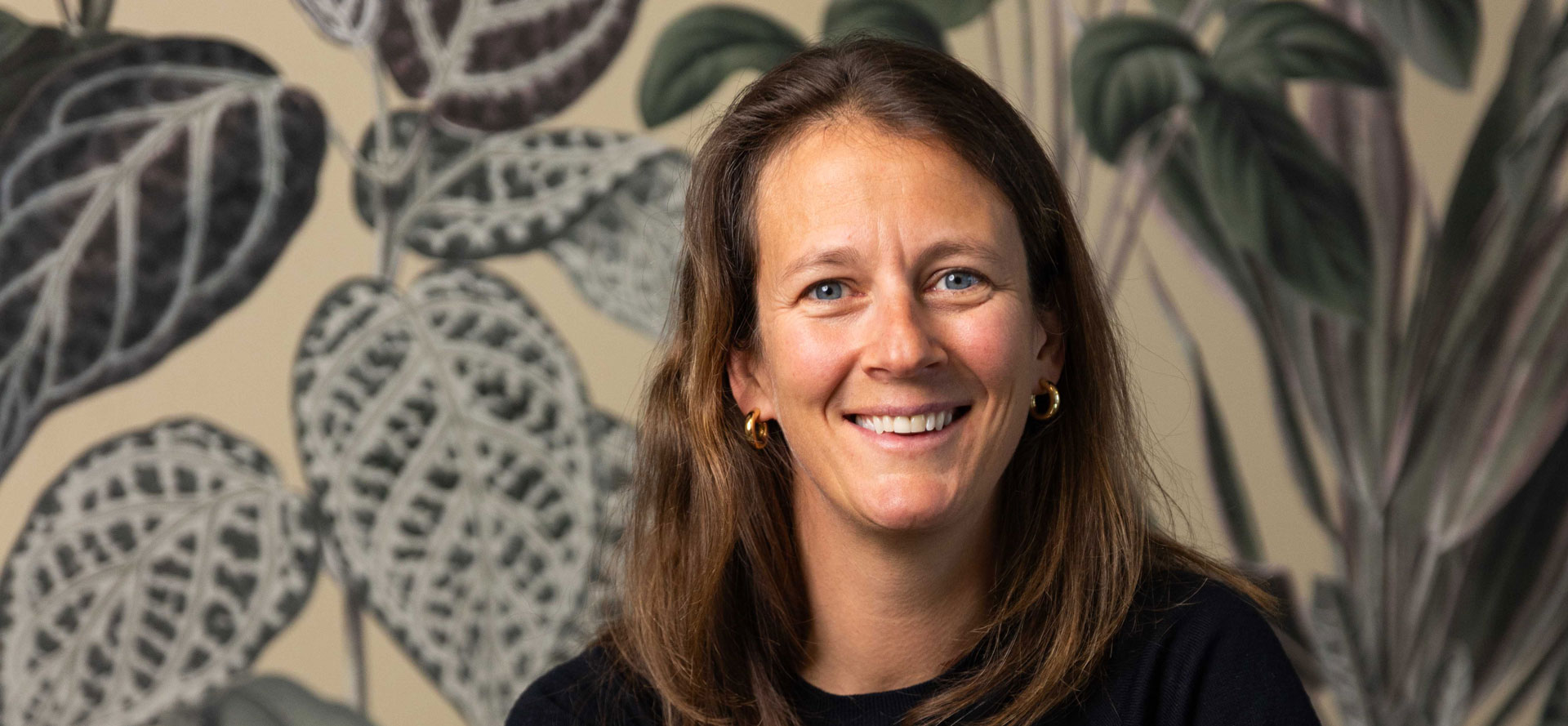
Emilie Delacroix is Helexia Group’s HR, ESG & Internal Communication Leader, inspiring us every day with her positive energy.
To mark the important occasion of International Women’s Day, we conducted an interview to better understand the initiatives being developed at Group level around this essential topic.
Why is it important for a sector like energy to make progress in gender diversity?
My experience in the energy sector is relatively recent, and one thing I immediately noticed is that it’s a highly technical environment, which still tends to be more male than female. That being said, if we want the sector to continue evolving and remain competitive, it’s important to broaden the profiles and perspectives involved in shaping it. I strongly believe that diversity; in gender, backgrounds and expériences; is a real strength. It improves decision-making, encourages innovation and supports long-term performance. In a sector undergoing significant transformation and facing growing talent and skills shortages, opening the door to all talents isn’t only positive, it’s essential.
What concrete commitments has Helexia made regarding equality, diversity and equity across the Group?
At Helexia, equality, diversity and inclusion are embedded in our Group HR and ESG priorities. Diversity & inclusion is one of our 7 ESG priorities, identified as a material social topic through our Double Materiality Analysis conducted in 2025. This clearly means one thing: it’s a long‑term strategic objective, not a communication initiative. And it’s important to be transparent, everything isn’t yet in place. Action plans are still being structured and deployed.
However, the intention is strong and shared. Step by step, we are putting the foundations in place: better data, clearer indicators, stronger governance and alignment with upcoming regulatory requirements.
Which figures or achievements would you highlight regarding female representation and pay equity at Helexia?
We have deliberately chosen transparency over complacency. Between December 2024 and December 2025, the proportion of women within the Group increased slightly, from 34.5% to 35.5%. This is a modest evolution, but it shows that progress is possible, even in a technical and traditionally male‑dominated sector. At the same time, female representation in management roles remains a challenge, with women accounting for around 35,5% of managers. Regarding pay equity, while the overall gender pay gap at Group level remains moderate, disparities still exist depending on functions and levels of responsibility. Recognising these gaps is essential. Measuring them allows us to act more precisely and focus our efforts where they are most needed.
“Our ambition is to move from measurement to action. This means continuing to reduce pay gaps at comparable levels of responsibility, increasing female representation in leadership and technical roles, and strengthening internal mobility and promotion pathways across the Group. ”
Emilie Delacroix,
Helexia Group’s HR, ESG & Internal Communication Leader
What goals has Helexia set for the coming years in terms of equality?
Our ambition is to move from measurement to action. This means continuing to reduce pay gaps at comparable levels of responsibility, increasing female representation in leadership and technical roles, and strengthening internal mobility and promotion pathways across the Group. On a personal note, I am not convinced that everything should be regulated or imposed. However, looking back on more than 20 years of experience, I have clearly observed that obligations and regulatory frameworks often help companies move faster and go further. Upcoming pay transparency requirements, for instance, encourage organisations to measure more rigorously, be more transparent and actively address the under‑representation of women in senior positions. In that sense, regulation can be a real accelerator for change.
From your experience, which gender equality issues does the energy sector need to address most urgently?
Three priorities could be addressed over the longer term: increasing the presence of women in the sector, not just in numbers but by encouraging, at equal profiles, access to technical and management roles, ensuring pay equity over time, and continuing to address the structural biases that can still influence career paths.
What inspires or motivates you personally to promote diversity and inclusion?
In my day‑to‑day work, what truly inspires me is my deep conviction that diversity is a tremendous source of richness. Inclusive environments unlock individual potential and collective performance. When people feel legitimate, supported and able to project themselves into the future, organisations become stronger, more creative and more resilient.
“As the mother of four daughters, this topic matters deeply to me. We must stop putting people into predefined boxes. All professions, including technical and management roles, should be open to everyone”
Emilie Delacroix,
Helexia Group’s HR, ESG & Internal Communication Leader
What message would you like to share for International Women’s Day?
The energy transition needs all talents. I am not a dogmatic feminist, but I have always been inspired by women such as Simone Veil and Gisèle Halimi, among many others, who helped open the way for future generations. I strongly believe in fairness, equal opportunities and freedom of choice. Equality is not about perfection, but about access, trust and legitimacy. On a more personal note, as the mother of four daughters, this topic matters deeply to me. We must stop putting people into predefined boxes. All professions, including technical and management roles, should be open to everyone. Our collective responsibility is to ensure that talent, ambition and potential can always find their place.