Energy Production
501 kWp
of renewable energy was installed
673 MWh
of clean energy is produced
306
tonnes of CO2 are avoided
Project details
Client: Procalçado
Date: 2026
Location: Portugal
Company Description
Procalçado S.A. is one of Portugal’s and Europe’s leading manufacturers of footwear components and moulded footwear. With more than 50 years of industrial experience, the company combines manufacturing for some of the footwear industry’s leading brands with the development of its own brands, including WOCK® and Lemon Jelly®.
With annual revenues in the tens of millions of euros and a strong international presence, Procalçado has built a business that brings together industrial expertise, technological innovation and a growing commitment to more sustainable and energy-efficient operations. Lemon Jelly®, for example, exports around 90% of its sales.
Service Description
Procalçado is taking an integrated approach to energy to improve the efficiency and decarbonisation of its industrial operations.
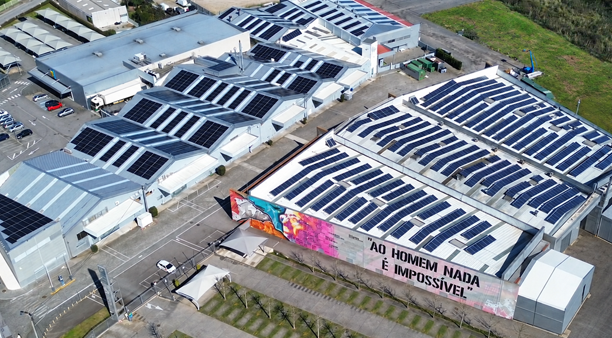
In partnership with Helexia, the company installed a 501 kWp solar photovoltaic system for self-consumption, expected to generate approximately 673 MWh of renewable electricity per year. By producing energy directly on site, Procalçado can reduce its reliance on the grid while improving the predictability of its energy costs.
The project is also expected to avoid approximately 306.6 tonnes of CO₂ emissions per year.
At the same time, Ewen by Helexia is addressing energy consumption directly within the factory, implementing measures designed to reduce natural gas consumption, minimise energy losses and make better use of the energy already available within the production process.
These measures include the electrification of heating systems, improved pipe insulation, heat recovery from compressors, interconnection of refrigeration equipment, and the installation of a new high-efficiency heating system for the painting area.
Together, these initiatives create an integrated energy strategy combining solar self-consumption, energy efficiency, electrification and heat recovery. The objective goes beyond reducing energy consumption and emissions: it is about creating a more efficient, resilient and competitive industrial operation, where energy becomes an active lever for business performance.