
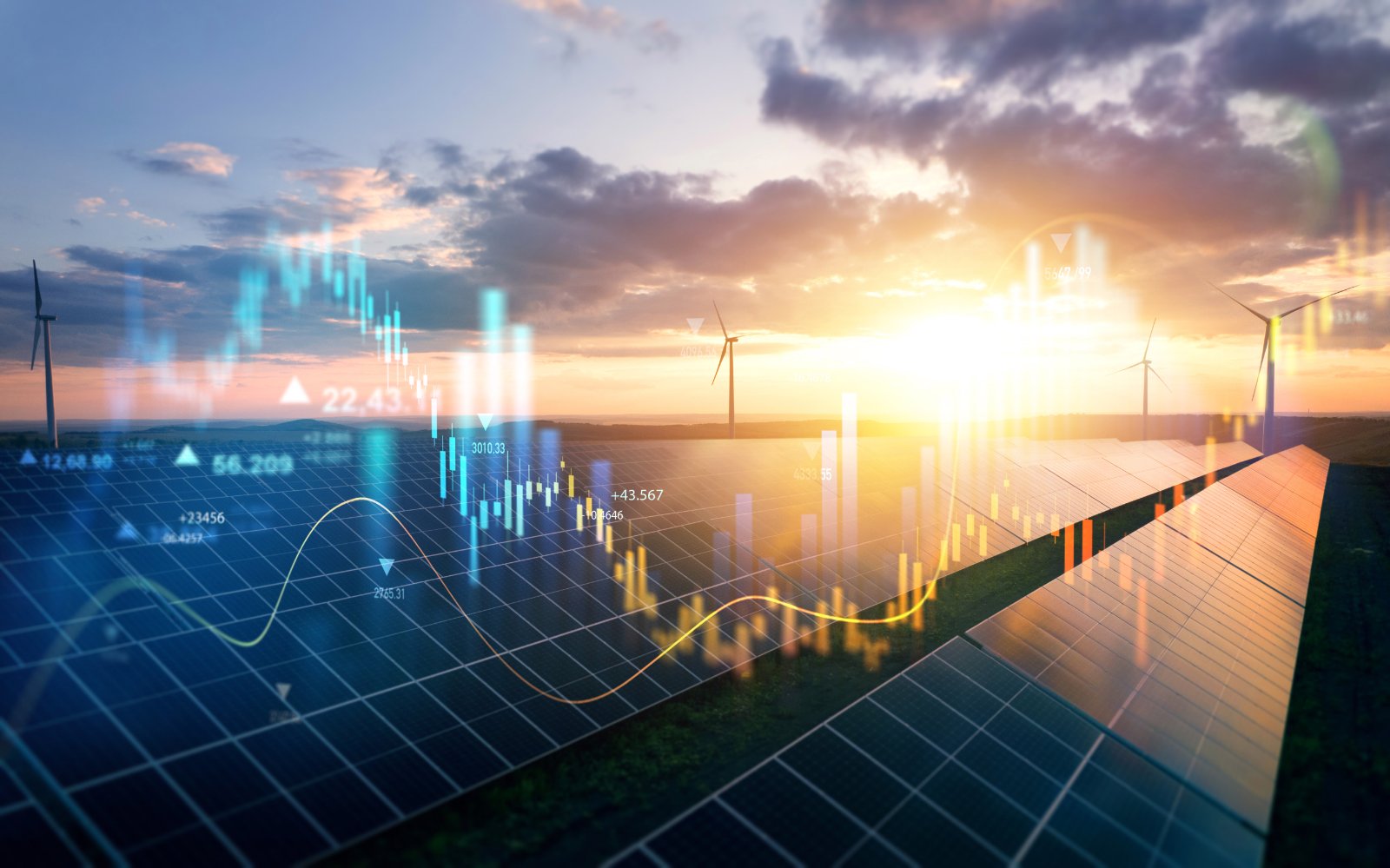
The next challenge in the energy transition is not generation. It is flexibility.
For much of the past decade, Europe’s energy transition has been discussed primarily in terms of installed capacity: how many gigawatts of solar and wind we can add to the system, how quickly we can replace fossil fuels, and how much investment will be needed to electrify the economy.
That remains a fundamental part of the equation. But it is no longer enough.
For companies, the energy transition has also largely been associated with two priorities: using less energy and producing more renewable energy.
Those priorities remain valid. But they are no longer sufficient either.
As the share of variable renewable energy increases, the challenge is gradually shifting from how much electricity we can generate to our ability to ensure that electricity is available when and where it is needed.
This is where flexibility comes in.
And the signals are becoming increasingly difficult to ignore.
Energy costs increasingly depend on when companies consume
In a system with high levels of solar generation, it is becoming increasingly common to have abundant electricity during certain hours of the day and much less available at others.
This creates a growing difference in the value of electricity from one hour to the next.
For companies, this means that it is no longer enough to understand how much energy they consume. It is becoming just as important to understand when they consume it.
A factory able to shift certain processes to periods of higher energy availability may reduce costs. A shopping centre can use a battery to avoid demand peaks. A company with solar self-consumption can store surplus electricity instead of exporting it to the grid when its value is lower.
The consumption profile therefore becomes a management variable.
Solar self-consumption: generation alone is no longer enough
Solar self-consumption remains one of the most effective tools for reducing exposure to electricity prices.
But there is a growing difference between generating energy and maximising the value of that generation.
If a site produces large amounts of solar electricity at midday but reaches peak demand later in the afternoon, part of the economic potential may be lost.
This is where storage, demand-side management and Energy Management Systems increasingly complement solar generation.
The objective is no longer simply to maximise production.
It is to maximise self-consumption, savings and the value of every kWh generated.
Batteries are evolving from supporting technology to strategic assets
This shift is already visible across several European markets.
Spain is developing active demand-response mechanisms. Italy is procuring large-scale storage capacity. Portugal is formally assessing future system flexibility needs. France is experiencing more periods of excess generation and negative electricity prices. Poland and Romania are placing greater emphasis on storage and flexibility to support power systems undergoing profound transformation.
For companies, this means that a battery no longer has just one role: storing solar electricity.
It can also help to:
- reduce power peaks;
- shift consumption to more favourable periods;
- increase the use of on-site solar generation;
- reduce exposure to high-price periods;
- improve operational resilience;
- and, in some markets, provide services to the grid.
In other words, flexibility is beginning to have economic value in its own right.
From energy consumer to energy manager
This is perhaps the most important shift.
For decades, companies were essentially electricity consumers.
Today, they can increasingly generate, store and control energy.
In the future, an industrial site may automatically determine whether, at a given moment, it is more valuable to consume solar energy, store it, charge electric vehicles, reduce certain loads or use previously stored electricity.
An Energy Management System can coordinate these decisions.
The company is no longer just a consumer.
It becomes an active manager of its energy system.
Flexibility is becoming a competitiveness issue
For companies, flexibility is not simply about supporting grid stability.
It is increasingly about competitiveness.
Businesses with greater energy flexibility may be better positioned to:
- reduce energy costs;
- take advantage of lower-price periods;
- increase the return on solar self-consumption;
- manage demand peaks;
- reduce exposure to price volatility;
- adapt to increasingly dynamic electricity markets.
This also changes how companies should think about their energy transition.
Solar self-consumption, batteries, energy efficiency, electric mobility and energy management should not be treated as separate projects.
They should work together as part of a single, integrated energy system.
Because the next phase of the energy transition will not simply be about installing more renewable capacity.
It will be about orchestrating energy more intelligently.
And for companies, that can translate into something very tangible: lower market exposure, greater control over energy costs and stronger competitiveness.