
Europe is once again facing the consequences of a system it does not control.
Geopolitical tensions are driving a new energy price shock. Oil is rising, gas remains volatile, and electricity costs continue to follow. For companies, this is not just about price, it is about predictability and competitiveness.
The real issue is structural.
As long as Europe depends on imported fossil fuels, businesses will remain exposed to external shocks. Short-term measures may provide relief, but they do not solve the problem.
Control does.
Today, companies have the tools to take it.
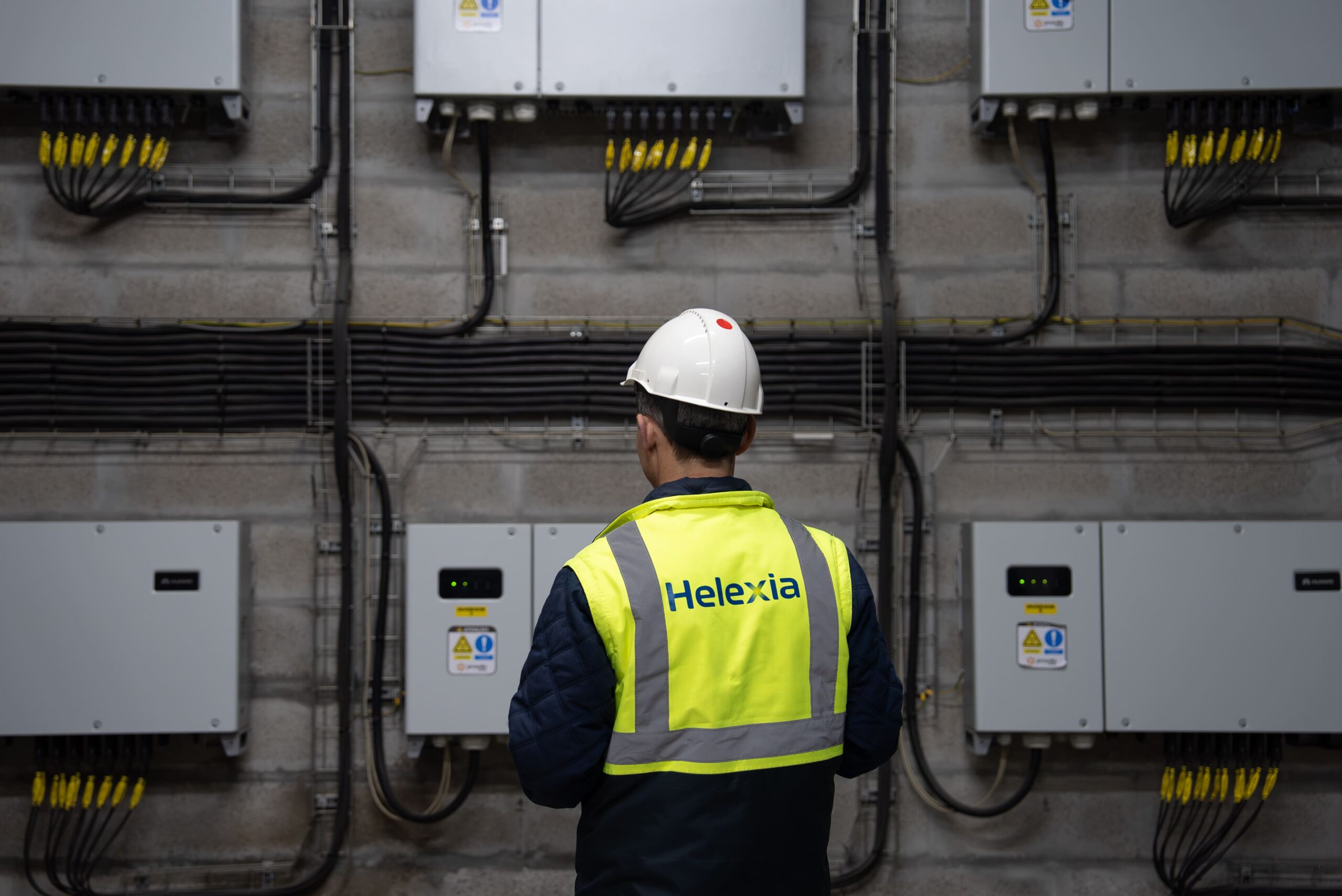
Solar and storage are no longer future technologies. They are proven, bankable, and ready to deploy now. For the first time, companies can produce, store, and manage their own energy, reducing exposure to volatility and gaining predictability.
For the first time, companies can produce, store, and manage their own energy, reducing exposure to volatility and gaining predictability.
This is a shift from energy as a cost to energy as a strategic asset.
The companies moving faster are already acting:
- investing in on-site generation
- integrating battery storage
- using data to optimise consumption
Not as isolated projects, but as part of a broader strategy.
But scaling this transformation requires one critical element: flexibility.
A renewables-based system cannot rely on fossil fuels for balance. It needs storage, demand response, and smarter grids. Without this, adding more renewable capacity will not be enough.
The challenge today is not defining the solution.
We know what works.
The challenge is execution, at speed and at scale.
Solar and storage can be deployed now. They reduce costs, increase resilience, and strengthen competitiveness. Delaying this transition only prolongs exposure to volatility.
Europe has a clear choice: continue reacting to crises or build a system that reduces them.
The companies that will lead are not waiting for stability to return.
They are building it.